Organize Data for Your CSRD Materiality Assessment

Navigating the complexities of a double materiality assessment for the Corporate Sustainability Reporting Directive (CSRD) involves managing extensive data from diverse sources. Effective data organization not only enhances compliance but also fortifies your environmental, social, and governance (ESG) strategy.
Effective Data Management Strategies
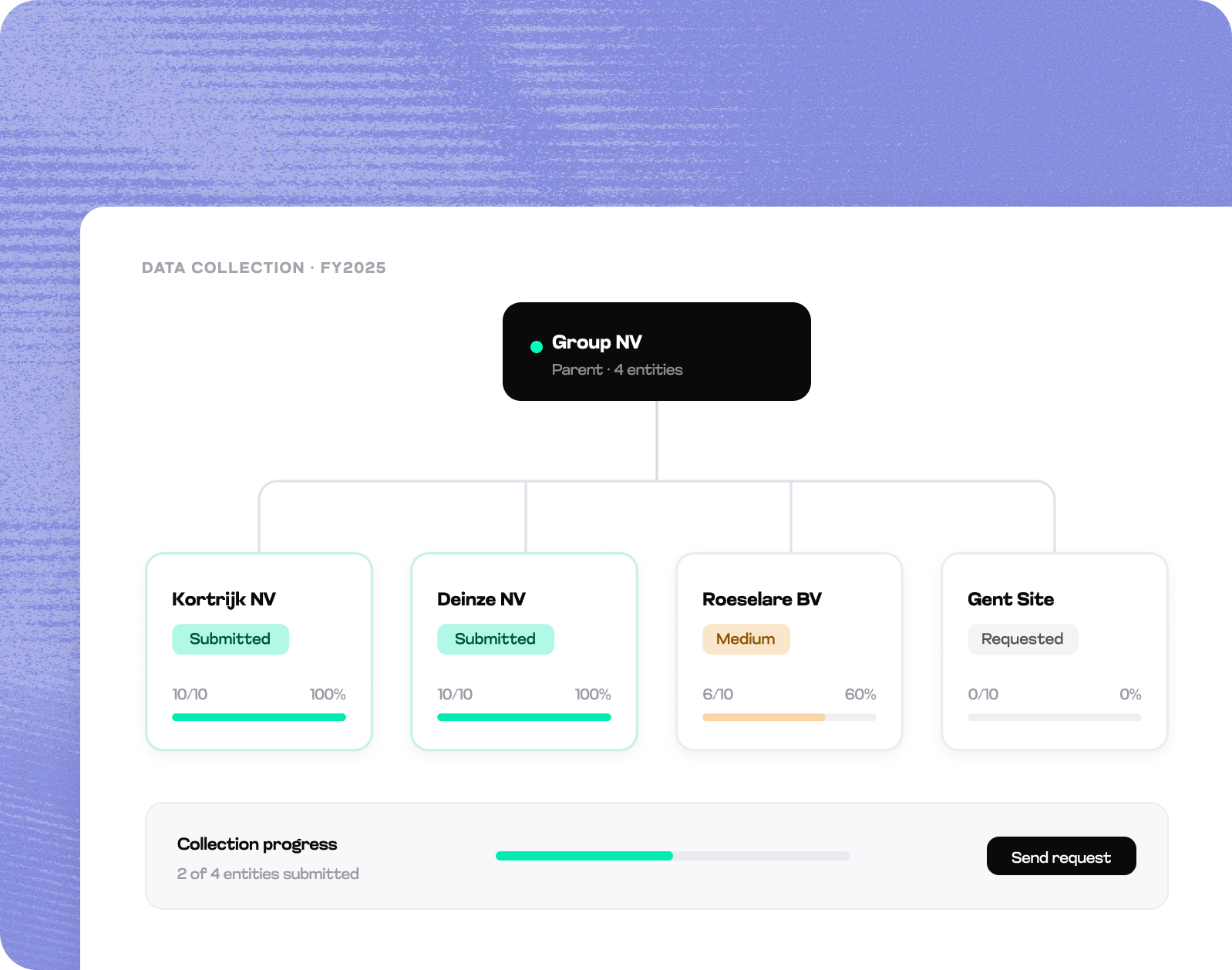
Centralize Data Collection
Consolidate all your data sources to ensure a streamlined double materiality analysis process. This centralization aids in maintaining consistency and accessibility, crucial for comprehensive materiality assessments.
Utilize Advanced Software Solutions
Karomia's software provides robust capabilities for handling complex datasets, allowing for detailed categorization and retrieval. Each piece of data, whether an impact, risk, or opportunity (IRO), is stored with precise metadata that captures the essence of related business activities and pertinent documentation excerpts.
Ensure Traceability and Clarity
Organize your data to meet audit requirements with clear traceability and accountability. This structure is vital not only for CSRD compliance but also for deriving meaningful insights that guide strategic decisions.
Case Study: Food Industry Application
In a recent project with a food industry client, our platform processed and analyzed data from over 50 documents, identifying thousands of potential IROs. These were meticulously evaluated and prioritized, creating a detailed database that now supports the client’s comprehensive CSRD reporting and ongoing ESG initiatives.
Effective data management transforms the rigorous demands of a double materiality assessment into a strategic asset. By implementing Karomia’s advanced data organization techniques, companies can ensure their CSRD reporting is both compliant and strategically advantageous, turning sustainability challenges into opportunities for corporate growth.
Receive updates and best practices on all things ESG reporting each month.
Read More
.avif)