Simplify Stakeholder Engagement in Materiality Assessments

The process of engaging stakeholders for double materiality assessments can often seem daunting, with many fearing it's a labor-intensive task with minimal payoff. However, integrating qualitative stakeholder feedback is essential not only for compliance with the Corporate Sustainability Reporting Directive (CSRD) but also for enriching your sustainability strategy. This post demonstrates how to transform this perceived challenge into a streamlined, value-adding process.
Efficiently Gathering Qualitative Feedback
Streamlined Data Collection
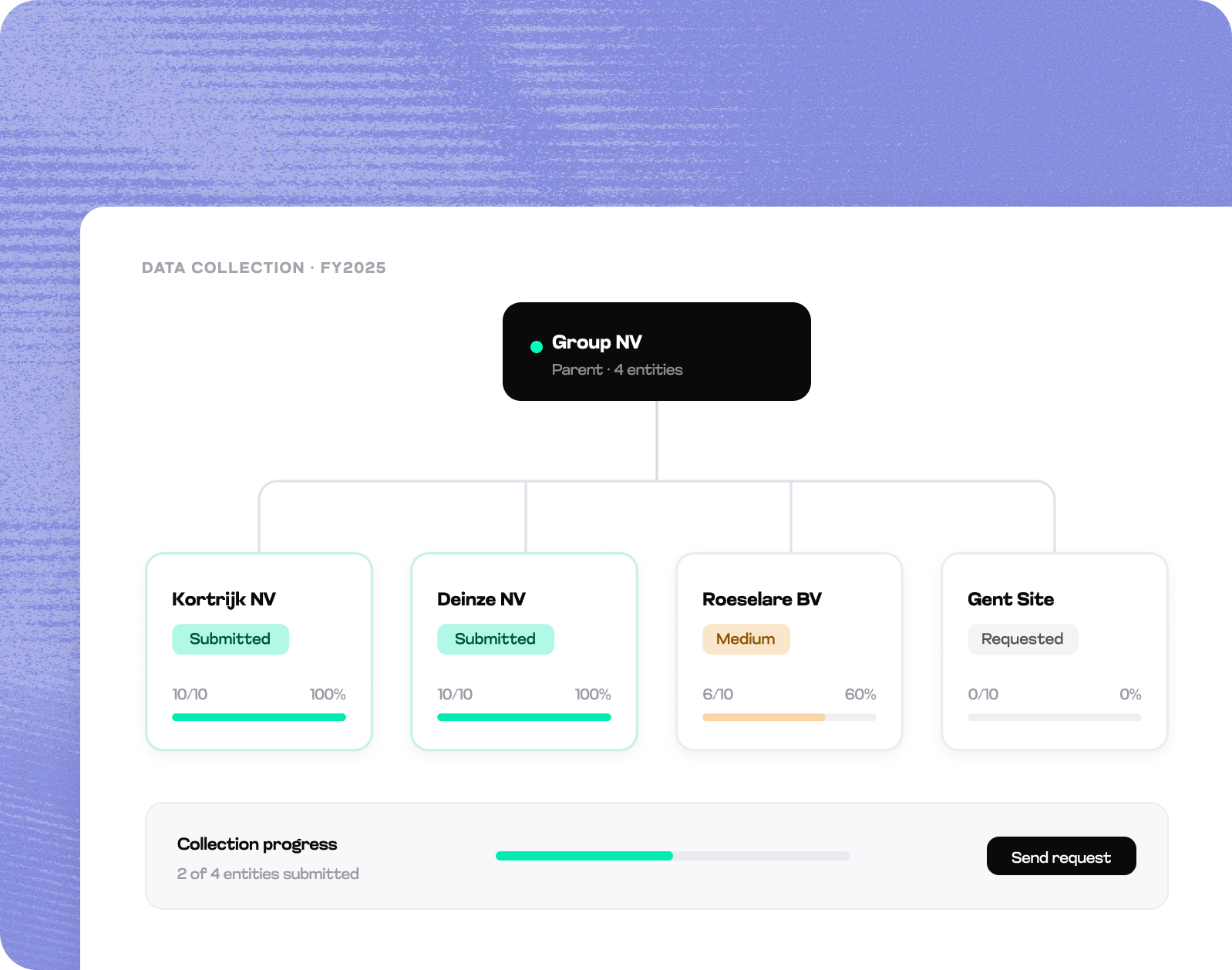
Karomia’s software simplifies the initial stages of stakeholder engagement by automating the collection of qualitative feedback. This allows businesses to scale their efforts without a corresponding increase in complexity or resource allocation, ensuring that stakeholder insights are captured comprehensively and efficiently.
Integrating Stakeholder Perspectives
Our platform excels in integrating these insights into your double materiality analysis, enabling a seamless transition from raw data to strategic action points. Automated tools categorize and summarize feedback, preparing it for direct inclusion in your double materiality assessment.
Success Story: Transforming Financial Sector Strategies
A client in the financial industry utilized our system to integrate stakeholder feedback, which constituted 25% of all collected data, into their sustainability planning. This led to 913 unique inputs being distilled into 15 key strategic insights, profoundly influencing their environmental, social, and governance (ESG) initiatives and demonstrating the substantial value of qualitative contributions.
With Karomia’s software, the effort involved in engaging stakeholders and utilizing their feedback is not only reduced but also becomes a significant strategic asset. Companies are equipped to meet CSRD requirements effectively, ensuring that every piece of stakeholder feedback contributes to a robust, insightful double materiality assessment.
Receive updates and best practices on all things ESG reporting each month.
Read More